

Imagine riding through vast, untouched landscapes, feeling the breeze in your hair and a sense of adventure in your heart. In Central Asia, horseback travel is more than just a journey—it’s a lifestyle woven deeply into history, culture, and tradition.
The bond between people and horses in Central Asia dates back centuries. Early nomads, like the Scythians, once roamed the Eurasian steppes, with horses symbolizing power, freedom, and survival—a legacy that remains vibrant today. Horses hold a spiritual significance here as well, often seen as messengers between the physical and spiritual worlds, with Kazakh shamans using horse rituals to communicate with spirits. In Mongolia and Kyrgyzstan, horses remain central to daily life.
In Mongolia and Kyrgyzstan, horses are revered, and traveling by horseback offers a deep dive into nomadic life. Along the way, travelers have the chance to live alongside local families, share traditional meals, and stay in yurts adorned with tapestries that reflect each family’s heritage. This experience goes beyond riding: it offers an intimate glimpse into the daily routines and values of Central Asia’s nomads.
Tip: Learn a few basic greetings in Kyrgyz, Mongolian, or Kazakh. A simple “hello” or “thank you” shows respect and can help build warm connections with local families.
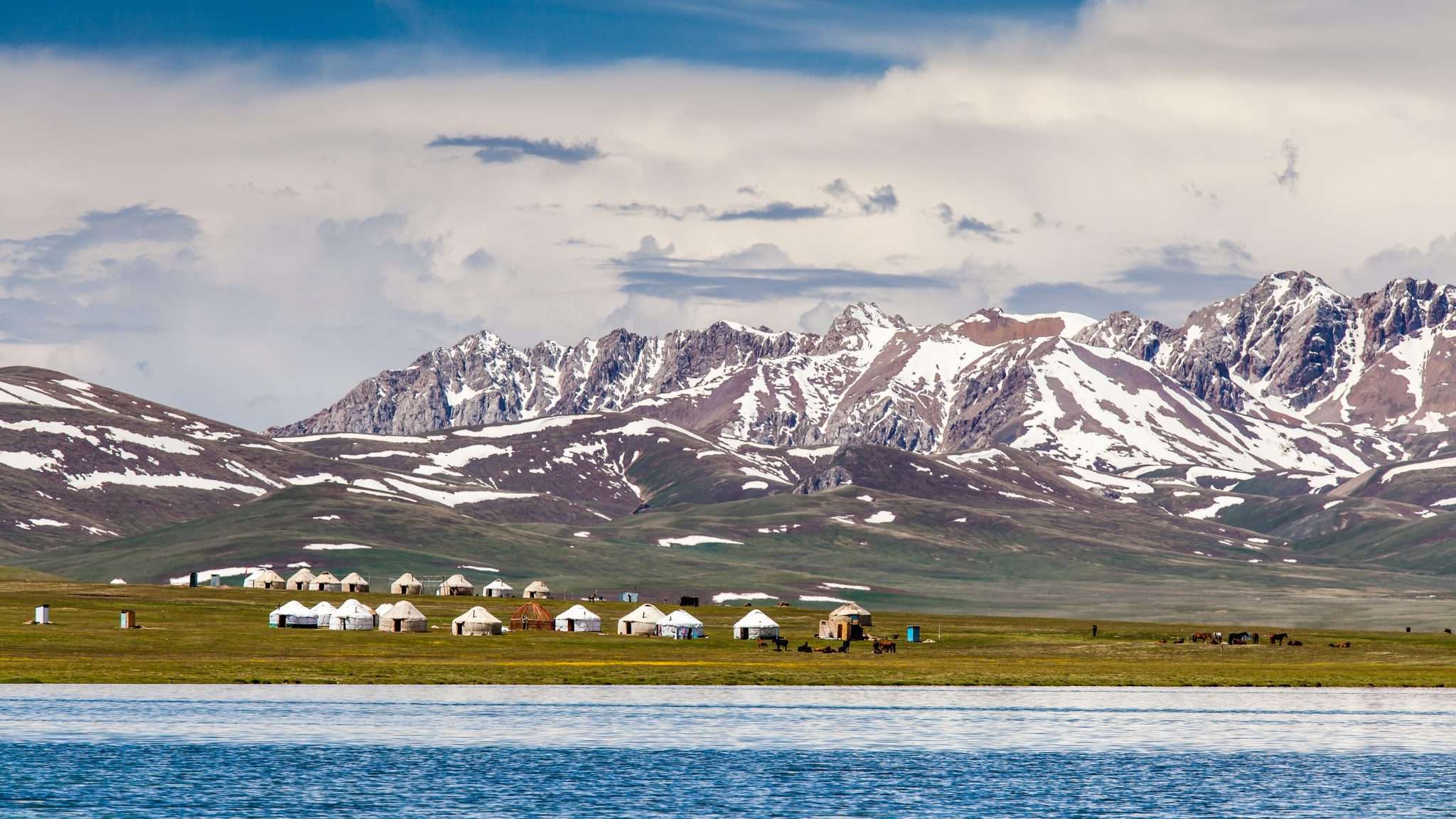
The trek to Song-Kul Lake in Kyrgyzstan is a summer tradition, where nomadic families move livestock to the lake’s lush pastures, setting up yurts and living much like their ancestors did. Joining this trek on horseback, travelers participate in age-old practices such as herding and shared songs around campfires.
In Mongolia, the Gobi Desert offers a contrasting yet equally breathtaking experience. Known for its sweeping dunes and stark beauty, the Gobi provides a surreal backdrop for horseback travel. Riders can explore this vast desert, encountering rock formations, ancient fossils, and camel herders—an adventure that captures Mongolia’s timeless desert charm.
Staying in a yurt is a highlight of horseback travel in Central Asia. Carefully crafted from felt and wood, each yurt’s interior is adorned with handwoven fabrics, offering travelers a warm glimpse into nomadic artistry. More than a place to sleep, a yurt stay envelops you in Central Asia’s nomadic traditions.
Tip: Dress modestly in rural areas. Long-sleeve shirts and scarves are both respectful and practical for Central Asia’s varying weather.
Food is a memorable part of the nomadic experience. Dishes like Kyrgyz beshbarmak, kumis (fermented mare’s milk), and Mongolian buuz (meat dumplings) are often prepared by locals over campfires or in yurts. These meals are more than sustenance—they’re moments of cultural exchange that bring travelers closer to the region’s hospitality and heritage.
Tip: Bring a reusable water bottle and high-energy snacks like dried fruits and nuts. Hydration and nourishment are essential for long days on horseback.
Retrace sections of the historic Silk Road by horseback, passing through mountain valleys, desert trails, and ancient ruins. This legendary route blends Central Asia’s natural beauty with its rich history, offering travelers a taste of the journey that once connected East and West.
Horseback travel provides unique experiences across Central Asia. Mongolia and Kyrgyzstan are known for their established horseback tours, guides, and accommodations like yurts and guesthouses. Meanwhile, Tajikistan, Kazakhstan, and Turkmenistan offer a more rugged, less-developed tourism infrastructure, appealing to travelers seeking off-the-beaten-path adventures. Each country presents a unique way to explore Central Asia’s diverse landscapes and cultures.
While horseback travel in Central Asia is rich in culture and adventure, staying informed on local conditions is essential, especially for travel to Turkmenistan, where government oversight and travel restrictions are more significant. Staying updated on travel advisories and traveling with experienced local guides ensures a safer, more insightful experience.
Tip: Consider travel insurance that covers adventure activities like horseback riding. This extra precaution provides peace of mind, particularly in remote areas.
Sustainable tourism is essential to preserving Central Asia’s pristine landscapes and cultural heritage. By reducing waste, conserving water, and respecting wildlife, travelers contribute to environmental conservation. Respecting local customs and traditions, too, enables meaningful interactions with the communities visited. Knowledgeable local guides offer invaluable insights, enriching the experience and making each journey memorable and beneficial to local communities.
Tip: Follow “Leave No Trace” principles by packing out waste, avoiding disturbing wildlife, and staying on established trails to help keep Central Asia’s landscapes pristine.
Tip: For maximum comfort on long rides, consider wearing pants without inner seams to prevent chafing and use a padded saddle cover.
Traveling by horseback in Central Asia goes beyond sightseeing; it’s a journey into the soul of the region. This form of travel connects you to ancient traditions, fosters personal growth, and preserves a vital part of local heritage.
Ready to embark on your own nomadic adventure? Discover the power of horseback travel in Central Asia and immerse yourself in the heart of this extraordinary region. Learn more about our horseback travel experiences and start planning your journey today!


 Optimized by Seraphinite Accelerator