


The question of whether its cruel to ride horses, whether horses are happier in the wild or under human care is a complex and multifaceted topic. The assessment of the happiness of horses means considering their natural instincts, social dynamics, and the quality of care they receive. In this article, we are going to highlight the factors that influence the well-being of horses in both environments, pointing out the benefits and possible disadvantages of each.
Is it cruel to ride horses?
The Natural Environment of Wild Horses
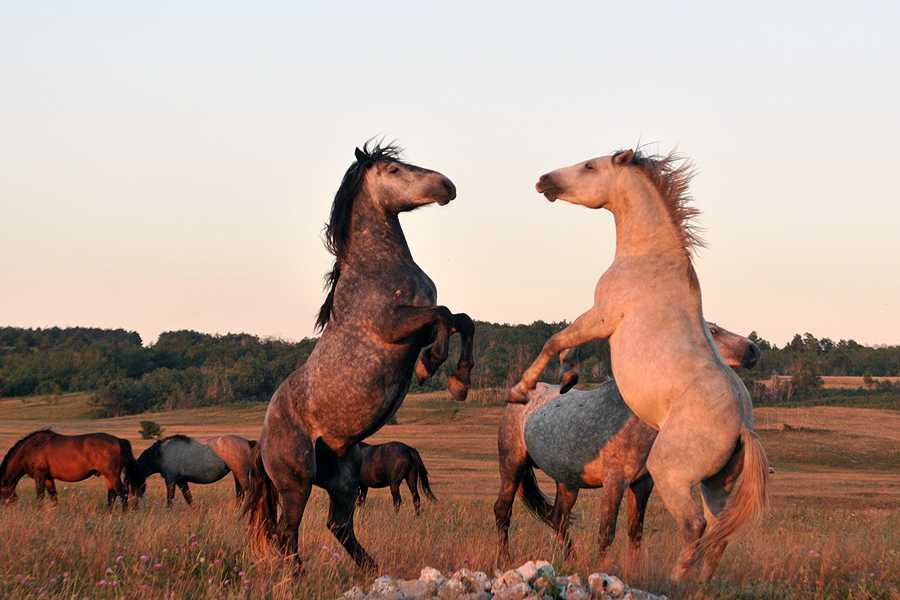
The Wild horses, with their inherent freedom and vast landscapes, have developed living in social herds and thriving in their natural environment. They graze, socialize, and engage in physical activities naturally. The ability to roam over large territories avails them of fulfilling their instinctual needs, which promotes a sense of autonomy and independence. The absence of direct human interference allows wild horses to maintain a more primal lifestyle.
Social Interactions and Bonding
Both wild and domesticated horses are highly social creatures. In the wild, horses establish complex social hierarchies within their herds, involved in intricate communication and forming strong bonds. Such natural interactions open opportunities for companionship, mutual grooming, and social learning. However, domesticated horses also have the potential to form deep connections with their human caretakers, forging unique bonds that can contribute to their emotional well-being.
Human Care and Benefits
Horses under human care receive several benefits that enable them to live longer and healthier lives. Human intervention provides protection from predators, shelter from extreme weather conditions, and veterinary care when necessary. Nutritious feeding, regular exercise, and a well-maintained environment are part of responsible horse ownership. Domesticated horses have reduced exposure to risks compared to their wild counterparts and consequently can enjoy longer lifespans.
Mental Stimulation and Purpose
Participation in activities like training, riding, and taking part in competitions provides mental stimulation and a sense of purpose to the horses. These activities prevent boredom and contribute to their overall well-being. Moreover, equine-assisted therapy programs show how horses positively influence human mental and emotional health, revealing the mutual gains from human-horse relationships.
Challenges Faced by Horses in Human Care
While horses in domestic environments can have many benefits, it is crucial to acknowledge the potential drawbacks and challenges they may face. Some horses endure inadequate care, neglect, or even abuse, which could adversely affect their well-being. Lack of proper exercise, short turnout time, or social isolation causes behavioral issues and physical ailments. Responsible horse ownership is paramount in ensuring the happiness and welfare of horses in human care.

The happiness of horses is dependent on multitude of factors, which includes their natural instincts, socialization, and the quality of care received. Wild horses are free and able to live an independent life in their natural habitat, whereas domesticated horses enjoy the companionship, protection, and mental stimulation that their human caretakers offer.
Finally, it is essential to strike a balance between meeting their innate needs and providing responsible and compassionate care that will ensure the well-being of these creatures, regardless of their environment.
