


Horses use a rich and complex system of communication to pass messages. While they mainly rely on body language, they also have a vocal language for transmitting different messages. This article delves into the world of equine communication, discussing what horses can say to each other using sounds unique to their species and body language.
Neighs and Whinnies
Horses communicate with a variety of vocalizations. The most widely recognized are neighs and whinnies. A neigh is a loud, high-pitched sound used for greetings or expressing excitement. Whinnies, which are softer and snort-like, serve as contact calls among horses, or to locate companions. These vocal expressions are crucial for establishing social bonds and maintaining cohesion within a herd.
Nicker
The nicker is a low, throaty sound, typically made with the mouth closed. It’s gentle and inviting, expressing interest or affection. Horses often nicker to greet familiar horses and caretakers, or when expecting food. This soothing sound conveys calmness and trust.
Squeals and Screams
Horses emit strong, high-pitched vocalizations like squeals and screams to express distress, aggression, or fear. Squeals, brief and intense, occur during conflicts or dominance displays within a herd. They signal a horse’s readiness to assert itself or challenge another horse. Screams, longer and more intense, are usually heard when horses are in extreme pain or stress.
Blowing and Snorting
Horses use blowing and snorting sounds, linked to their respiratory system, to communicate. A gentle blow, often with a snort, indicates curiosity or alertness. Blowing and snorting are believed to help horses clear their nasal passages, enhancing scent detection. These sounds can also signify awareness of potential danger.
Groans and Grunts
Less commonly observed, horses can produce groans and grunts as part of their vocal repertoire. These low-pitched, guttural sounds often occur during physical exertion, such as mating or intense activity. They can also indicate relaxation, contentment, or discomfort, depending on the context.
Horses have a very complex vocal language, which complements their broad non-verbal communication. Sounds like neighs, whinnies, nickers, squeals, and blows are integral to their interactions, allowing them to express emotions, form social hierarchies, and communicate intentions.


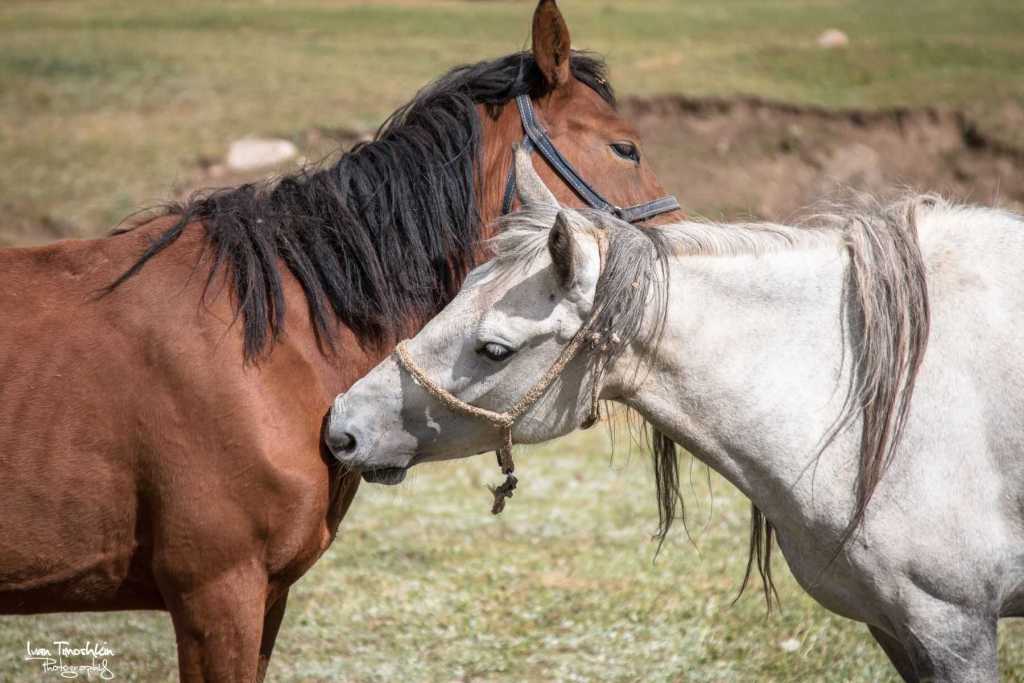
Body Language
The silent language of horses is rich in detail and meaning.
Ears as the Telltale Sign
A horse’s ears can provide great insight into their mood and intentions. Ears pricked forward suggest attentiveness and curiosity, while ears pinned back indicate anger, aggression, or fear. Observing ear positions offers valuable information about their emotional state.
Eyes: The Windows of the Soul
Horses’ eyes are very expressive and reveal much about their feelings. A soft or tense gaze can indicate comfort or unease, respectively. Prolonged eye contact with a person or another horse may signify trust.
The Language of the Tail
A horse’s tail is an important communication tool. A gently swaying tail usually indicates relaxation or contentment, while a tail clamped down or swishing rapidly can signal irritation or restlessness. A raised tail may show excitement or alertness.
The Subtle Art of Posture
The way a horse carries its body reveals much about its mood. A relaxed horse maintains a balanced posture, while a tense or anxious horse may appear stiff or constantly alert. Observing the overall body posture can tell us much about the horse’s emotional and physical well-being.
Facial Expressions
Like humans, horses display various facial expressions. A relaxed horse often has a soft, loose muzzle, while tension or stress may result in a tight or wrinkled face. Understanding these expressions can help us gauge their comfort levels and build a stronger bond.
Viewing the Whole Picture
Interpreting body language cues individually may not provide an accurate understanding. A combination of signals, such as ear position, tail movement, and overall posture, offers a more valid observation of their feelings and intentions.
By unraveling these subtleties in their body language, we can form deeper relationships with them, build trust, and enhance our care for them.
